
EMI has to pass without a redesign
Conductive die-cuts are cut to the gap that already exists between the shield and the chassis. Resistance is checked on the floor before the lot ships.
Conductive die-cuts, FPC stiffeners, insulating film, foam, and display adhesive for notebooks, tablets, keyboards, and docks.
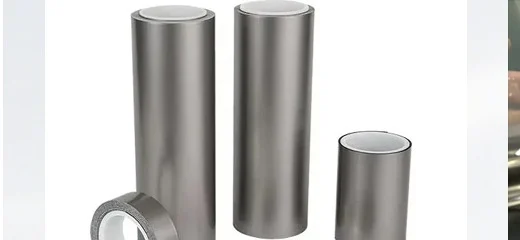
Application
A notebook is a phone spread across a larger board. The shield frame still has to close, the flex still has to survive the hinge, and the display still has to stay bonded after years of opening and closing. Peripherals add their own list: keyboards, docks with metal housings, and mice and webcams with small plastic shells that rattle without a pad.
Meetall cuts the quiet parts inside those products. They rarely appear on a spec sheet, yet each one decides whether a board passes EMI, whether a flex cracks at the connector, or whether a lid creaks when it is picked up. The parts are converted in a Class 10,000 room in Dongguan, so adhesive faces reach your line clean.
Most jobs start from a drawing and a sample of the current part. We match the material family, cut a laser first article, and move the shape to a flatbed press or the ten-station rotary line once the fit is confirmed.
Typical devices
Page updated
Part map
Each card is one die-cut job: where it goes, what it has to do, and the material family it is cut from. Point at a card to find it in the stack.
Shield frames, housing walls, cable exits
Close the grounding path between the shield, the chassis, and the board where a stamped part will not fit.
EMI conductive foamConnector end of the flex tail
Hold the flex flat and rigid where it plugs in, so the contacts seat and the copper does not crack at the bend.
Over exposed traces and board edges
Keep a covered circuit covered, so a bracket or a screw cannot short it.
Lid bezel, touchpad, nameplates
Bond the panel to the frame with a die-cut island that leaves holes and connectors open.
Double-sided AdhesiveBetween battery, board, and bottom cover
Take up stack-up tolerance, stop rattle, and spread the load when the case is pressed.
PU Cushioning FoamBase of notebooks, docks, and peripherals
Keep the product steady on the desk and isolate small knocks from the housing.
Silicone / Rubber BufferSelector
Read across a row to see what a part has to do, and the floor instrument that checks it before the lot ships.
| Part | Seal | Shield | Bond | Cushion | Insulate | Stiffen | Checked with |
|---|---|---|---|---|---|---|---|
| 01Conductive shield pads | No | Yes | Yes | No | No | No | Resistance, 2.5D vision |
| 02FPC stiffeners | No | No | Yes | No | No | Yes | 2.5D vision, peel |
| 03Brown insulating film | No | No | No | No | Yes | No | 2.5D vision |
| 04Panel and display adhesive | No | No | Yes | No | No | No | Peel, tack, holding power |
| 05Foam gap pads | Yes | No | No | Yes | No | No | 2.5D vision |
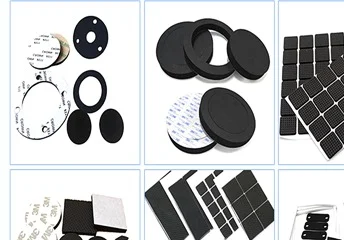
| 06Feet and buffers | No | No | No | Yes | No | No | 2.5D vision, loupe |
The problems buyers in this industry bring to the plant, and how the floor handles each one.
Conductive die-cuts are cut to the gap that already exists between the shield and the chassis. Resistance is checked on the floor before the lot ships.
FPC stiffeners are laminated and cut to the connector outline, so the stiff zone ends where the drawing says the bend begins.
Foam and buffers are specified for the gap, then sampled on the laser so the fit is judged in your housing, not on a datasheet.
Registration lines laminate adhesive, liner, and part together, so one die-cut arrives ready for the fixture instead of three loose layers.
Photographed for the company profile. Shapes are customer-specific, so treat them as examples of the work, not stock items.
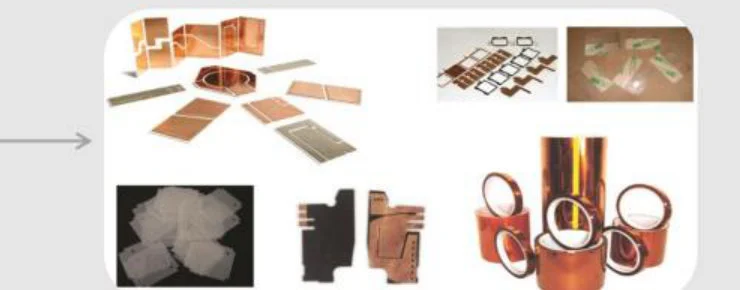
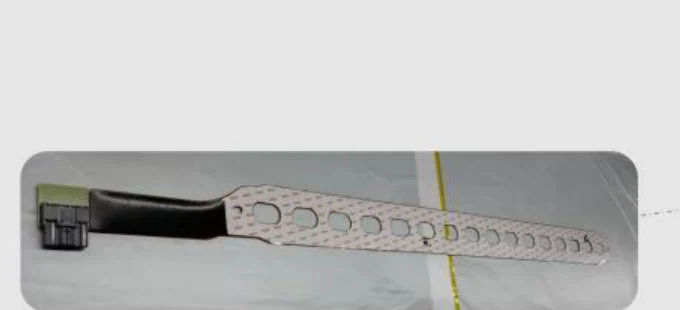
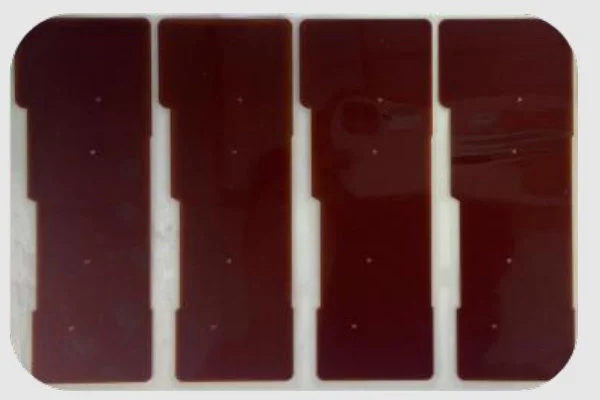
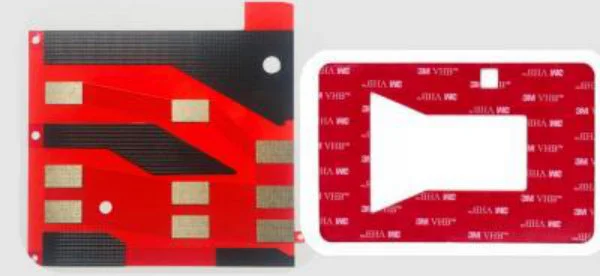
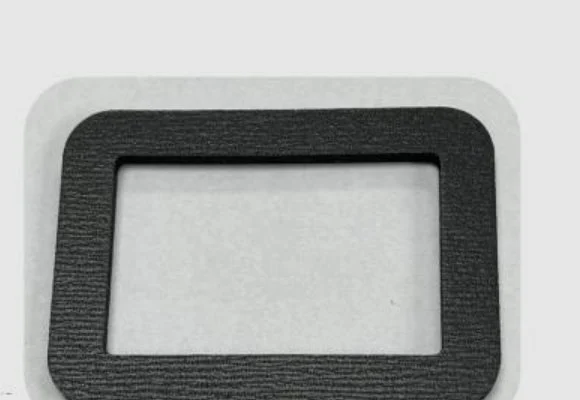
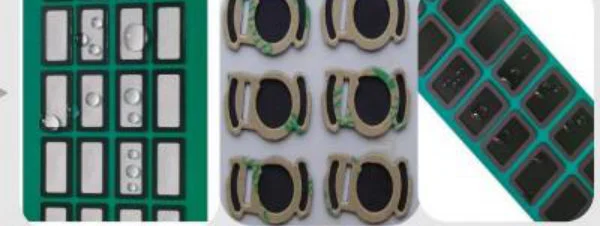
Delivery formats
Tell us how the part goes on: by hand, in a fixture, or from a web. Each format below comes from a named machine on the floor.
Kunlun KL-QP-350 sheet cutters × 2
Parts kept on a carrier sheet, counted and stacked, for hand placement or low-volume fixtures.
Kunlun KL-FTJ-1300 CNC slitter, Hadesheng rotary
Parts cut on a continuous web and wound to width, for long runs and feeders that pull from a roll.
Kunlun and Hongwen laminators × 16
Membrane, mesh, foam, or film combined with adhesive and liner before the cut, so one part replaces several.
Han's Laser CMA0604-B-A
First articles cut from the drawing without a tool, for fit trials before steel is committed.
Open a family for constructions, the instruments that check it, and a quote form.
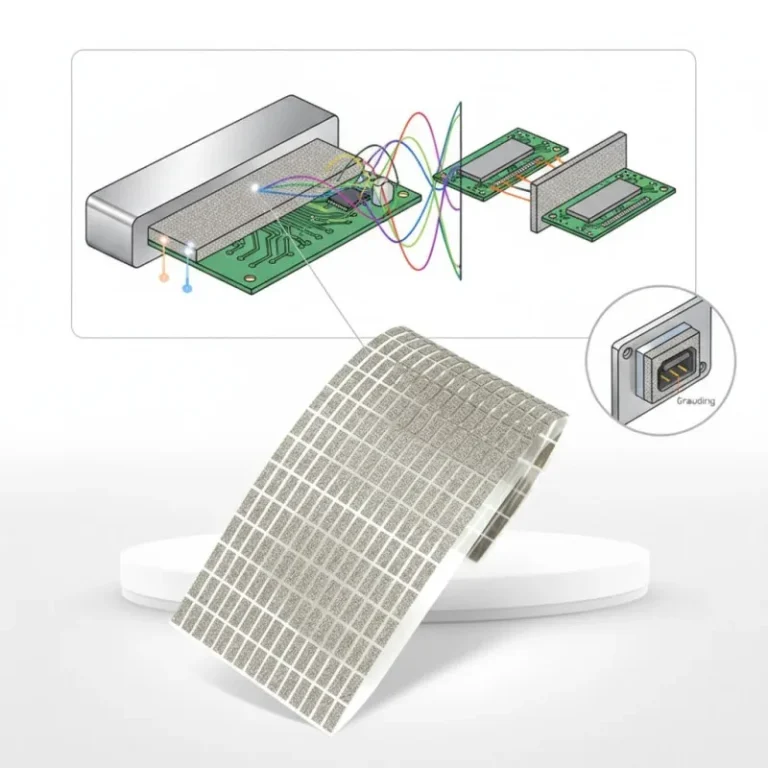
Conductive foam and fabric-over-foam gaskets that ground a housing and close a shield.
View details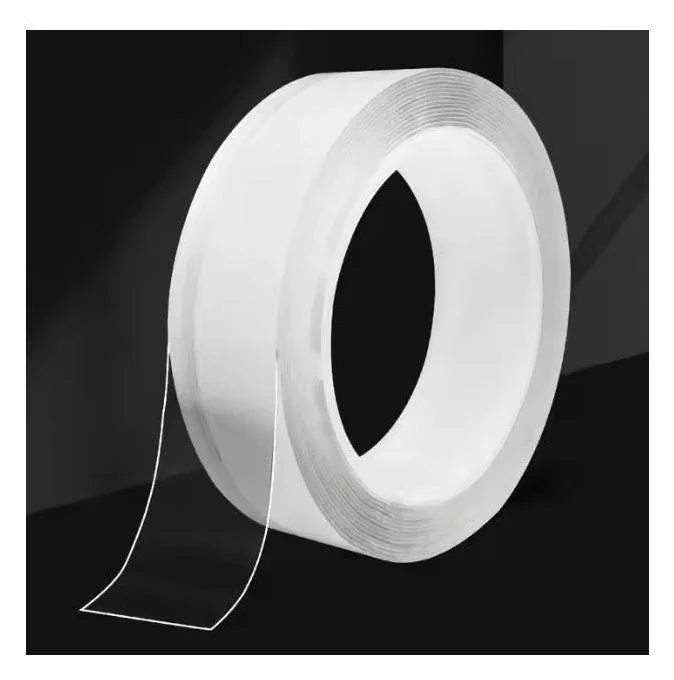
6010C transparent acrylic double-sided foam tape: 0.76 mm, pressure sensitive, waterproof, no residue, 80 °C long term and 120 °C short term.
View details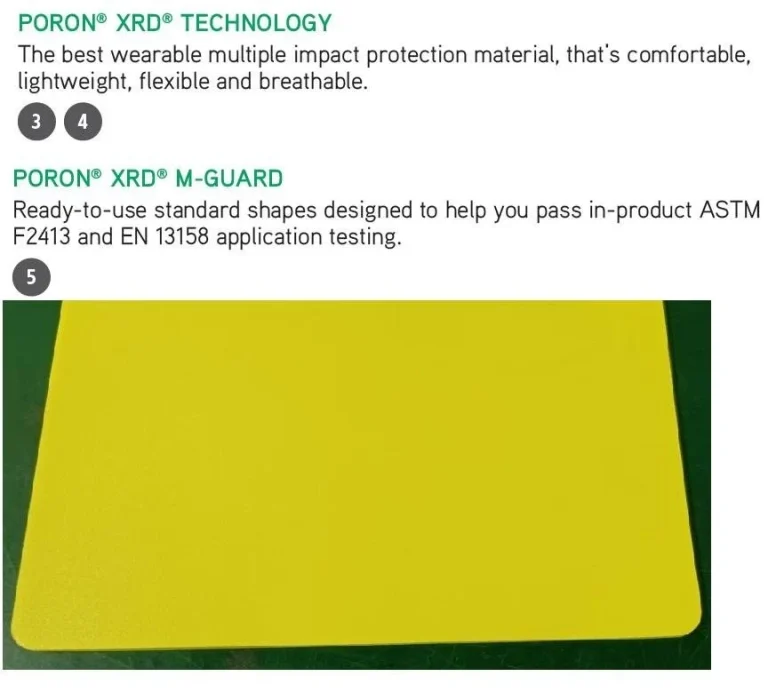
Poron XRD polyurethane foam: 0.19 g/cm³, 18 A, high energy absorption and fast rebound, stable from -40 to 100 °C. Rolls or die-cut shapes.
View details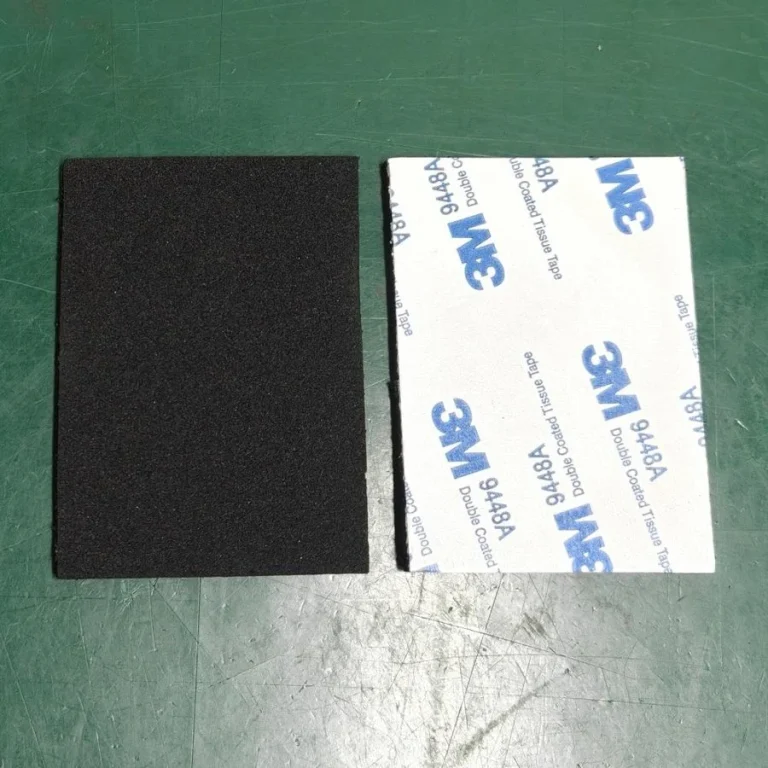
MGR-6022BC-E EPDM rubber foam: waterproof, anti-slip, high rebound, with single- or double-sided adhesive, die-cut to your drawing.
View detailsThe same four steps for every industry on this site. One sales contact from the first sample to repeat orders.
Send a PDF, DXF, a marked photo, or the current part. We read the stack-up and name the material.
A Han's Laser sampler cuts the first pieces, so fit is judged in your assembly before a tool is made.
Flatbed presses for shaped parts, the ten-station rotary line for long webs, all in the Class 10,000 room.
2.5D vision, web inspection, and peel, tack, and holding-power tests before the lot leaves EXW.
If yours is not here, put it in the quote form. We reply within one business day.
Yes. Send the board drawing or the current part. We cut to the existing gap and contact areas, and confirm fit with a laser sample before a tool is made.
Stiffeners can be laminated with adhesive before cutting, so the liner comes off at your line and the part goes straight onto the flex. Tell us the stiffener material on your print.
A drawing or a marked photo, where the part sits, the sample quantity, and the yearly volume. If the material grade is on the print, include it. If not, describe the job the part has to do.
The stated lead time is 30 days. Trade is EXW. Payment is T/T, PayPal, or cash, in USD, EUR, HKD, or CNY.
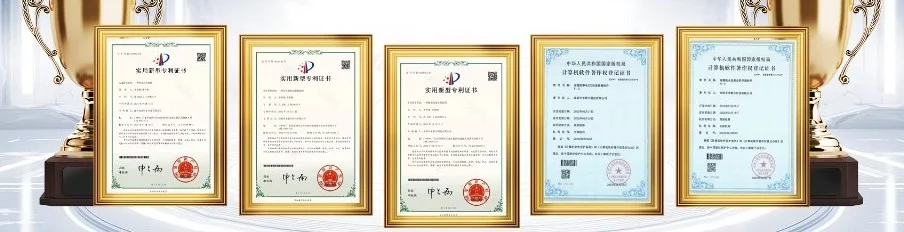
Patents and registrations
Granted in China and held by the company: utility model patents from the national patent office, and software copyright registrations from the National Copyright Administration.
Ask for certificate copies with your quote.
Request a quote
Four things make the first reply useful.
Dust mesh, waterproof vents, conductive die-cuts, foam, and double-sided adhesive for phones and compact 3C assemblies.
Read more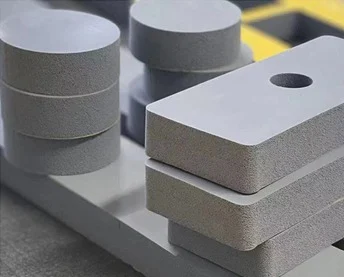
Wearable vents, dust mesh, adhesive islands, and soft foam for watches, bands, and sensors worn on the skin.
Read more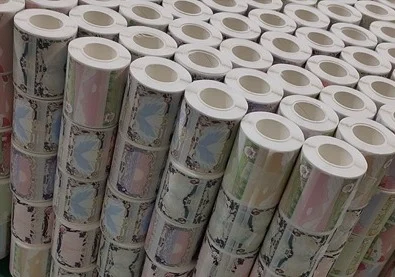
Acoustic membranes, dust mesh, damping foam, and port adhesive that keep water out without muffling the sound.
Read more